FREE SHIPPING $89+
 FREE SODA ON $120+
 100% FEDERALLY LEGAL
  LAB TESTED FOR PURITY
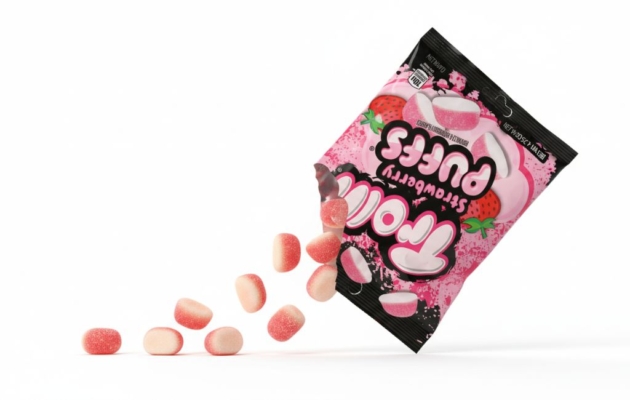
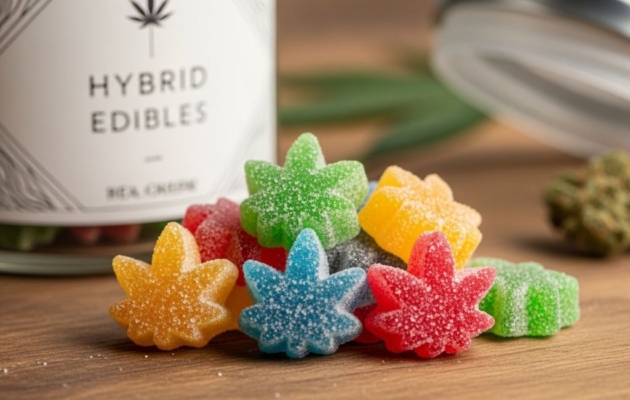
 Many people spot gas station edibles while grabbing a snack and start to wonder if those colorful gummies are actually any good. Curiosity feels natural, especially as these products grow in popularity and show up on more shelves.
A quick look can help a consumer sort out what might be safe, what might be risky, and what to check before buying anything that claims to contain THC or hemp-derived compounds.
What are Gas Station Edibles?
Gas station edibles are THC or CBD edibles like gummies, chocolates, or drinks sold at gas stations and convenience stores, usually made from hemp-derived cannabinoids such as delta-8 or delta-9 that fall under a legal loophole from the 2018 Farm Bill and often sit in a lightly regulated or unregulated space compared with a licensed dispensary.
Are Gas Station Edibles Good?
Gas station edibles can be risky and often fall short of what most consumers would call good. Many products sold outside a licensed dispensary sit in an unregulated or lightly regulated loophole tied to hemp-derived THC like delta-8 or delta-9, which means testing, labeling, and manufacturing processes vary widely.
Studies and federal warnings show frequent mislabeling of THC concentration and dose, plus possible contaminants from chemical conversion and synthetic cannabinoids, so potency and safety stay hard to trust.
How to Check the Quality of Gas Station Cannabis Edibles
Many people spot a bright bag of gummies at a gas station and wonder if it is safe to try. A quick quality check helps sort out a decent hemp product from gas station weed that may be mislabeled, too potent, or flat out risky.
Check the label and packaging
Look for a clear label that names the cannabinoid, such as THC, CBD, delta-8, or hemp derived delta-9. The packaging should list ingredients, THC concentration, dose per gummy or edible, total mg in the package, and a batch or lot number. Vague terms like “premium blend” without details can mislead a consumer about what the edible really does or contains.
Look for third party testing
Quality gas station edibles usually show a QR code or link to a lab report. A real report lists the cannabinoid profile, potency in mg, and screens for harmful contaminants. If a THC product has no visible testing, no batch information, or the gas station cannot explain how to see the results, that lack of transparency poses a real concern.
Confirm the dose and serving size
Check how many mg of THC the product claims per gummy or snack. Many people start with 5 to 10mg, but some gas station edibles pack much more into a single gummy or edible. Products that do not clearly show a per-piece dose or just say “high potency” without numbers make it hard to evaluate risk.
Compare hemp claims to federal law
Most gas station edibles claim to be hemp products that contain less than 0.3 percent delta-9 THC by dry weight to fit under the 2018 Farm Bill. That detail helps explain how they can be sold legally outside a dispensary. Still, confusing wording like “legal under federal law” without any context or numbers can hide a very potent formulation in a large piece of candy.
Look for clear cannabinoid names, not just “delta”
Gas station weed products sometimes print only “delta” or “hemp extract” on the front. The back should state the exact compound, such as delta-8, hemp derived delta-9, or other cannabinoids. Vague or incomplete terms make it easier to slip in synthetically derived compounds or chemical conversions that sit in a gray area.
Check for obvious red flags
Poor print quality, spelling mistakes, cartoonish packaging, or labels that look like a regular snack can all be warning signs. These details hint at sloppy manufacturing processes and weak oversight. Products that imitate kid friendly candy or use phrases like “no health risks” or “zero side effects” ignore the reality that psychoactive substances always carry some risk.
Look for contact information and a real brand
Legitimate manufacturers list a company name, website, and contact information. A real brand usually sells more than just gas station edibles and keeps a consistent look across products. Plain bags with a sticker, no company details, and no way to reach a regulator or producer make it hard to hold anyone accountable if the edible turns out harmful or unregulated.
Consider where it is sold
A gas station has no obligation to vet every THC edible on the shelf. Compared to a licensed dispensary, there is less scrutiny of formulation, shelf stability, and compliance with state restriction or enforcement rules. Many states now move to regulate, restrict, or even ban certain hemp products and synthetic cannabinoids, so a product sitting out by the register may not reflect the spirit of those rules, even if it skirts a loophole.
Pay attention to how it is marketed
If the label leans on buzzwords like “premium,” “strongest,” or “medical strength” but hides the exact mg per dose, the product may try to oversell its potency while staying vague. Gas station weed that promises a powerful psychoactive effect without clear dosing or safety language asks the consumer to take on more risk than a carefully labeled edible from a dispensary.
Alternatives to Gas Station Weed Edibles
Skipping gas station weed feels like a smart move when safety and consistency matter. Better options exist for anyone who wants edibles with clearer labeling and real oversight.
- Licensed dispensary edibles: Buy from a regulated dispensary to get THC edibles that follow state rules, limit dose per serving, and require batch testing for potency and contaminants.
- Lab tested hemp derived gummies online: Order online from reputable hemp products brands that post third party results showing cannabinoid profile, THC concentration, and less than 0.3 delta-9 THC by dry weight.
- CBD only edibles: Choose CBD gummies or drinks with no psychoactive THC for a lower risk option, especially for new consumers.
- Low dose edibles with clear mg counts: Look for products that list 5 to 10mg per edible and show total mg per package so the dose stays predictable.
- State compliant hemp products from trusted retailers: Pick retailers that state where manufacture happens, follow local regulation, and avoid synthetic cannabinoids or vague “delta” blends.
- Medical program edibles: Use a medical card where available to access dispensary products designed for specific needs and monitored under stricter oversight.
Final Thoughts
Gas station edibles may look convenient, but uneven regulation and frequent mislabeling make them a gamble for potency and safety. A careful label check and a preference for tested products from trusted sellers can cut down the risk.
For a more reliable experience, browse lab tested hemp gummies online and stick with brands that show clear dosing and third party results.
Frequently Asked Questions
Can gas station edibles cause a positive drug test?
Yes. Even hemp-derived THC products like delta-8 or hemp derived delta-9 can trigger a positive result, since most tests look for THC metabolites, not the source of the cannabinoid.
How long do THC gummies from a gas station take to kick in?
Effects often start in 30 minutes to 2 hours, then peak later than smoking. A potent gummy with inaccurate labeling can feel stronger than expected, so waiting before taking more helps reduce risk.
Are gas station edibles legal in every U.S. state?
No. Federal law under the 2018 Farm Bill allows hemp products with less than 0.3 percent delta-9 THC by dry weight, but many states now regulate or ban delta-8 and other intoxicating hemp-derived compounds. Local rules change fast, so legality depends on the state.
Do gas station edibles expire or lose potency?
Yes. Edibles can degrade over time, especially if they sit on a warm shelf under bright lights. Old stock may taste off and deliver weaker or uneven potency.
Can gas station cannabis edibles be mixed with alcohol or medications?
Mixing THC edibles with alcohol or sedating medications can intensify impairment and side effects like dizziness or nausea. People with health conditions or prescriptions should treat this combination as risky.
What should a consumer do after a bad reaction to a THC edible?
Stop taking more, hydrate, and rest in a calm setting. Severe symptoms like chest pain, trouble breathing, or confusion need urgent medical care. Reporting the product to a state regulator or the FDA also supports enforcement against harmful, unregulated items.
Are gas station edibles safe for beginners?
They are often a poor starting point because potency and formulation vary, and mislabeling is common. Beginners usually do better with low dose, clearly tested edibles from a dispensary or reputable hemp delivery brand.