FREE SHIPPING $89+
 FREE SODA ON $120+
 100% FEDERALLY LEGAL
  LAB TESTED FOR PURITY
 Edibles often seem harmless because they look like candy or baked goods, but their delayed effects can catch people off guard. Many end up consuming more THC than intended, leading to uncomfortable experiences and concerns about addiction.
Understanding how marijuana edibles work is key to avoiding unnecessary risks.
Are Edibles Addictive?
Edibles can be addictive, especially when they contain high levels of THC. While they are not considered physically addictive in the same way as some substances, frequent use can lead to marijuana addiction and increase the potential for addiction due to their strength, delayed effects, and long lasting psychoactive impact.
How Do Edibles Affect Our Bodies?
Edibles affect the body differently than smoking marijuana because the digestive system processes tetrahydrocannabinol before it enters the bloodstream.
The liver converts THC into 11-hydroxy-THC, a compound that produces stronger and longer lasting psychoactive effects. This delayed onset of effects often leads people to consume too much, increasing the risk of marijuana overdose, anxiety, impaired coordination, and cognitive disruption.
Research shows that THC edibles last longer than smoking and can intensify effects of marijuana due to higher THC concentrations absorbed over time.
Notable Side Effects of Too Much Edibles
Consuming too many edibles can overwhelm the body due to their delayed effects and high THC content. When the amount of THC consumed exceeds tolerance levels, side effects can appear suddenly and feel intense.
- Severe anxiety or panic attacks
- Nausea and vomiting
- Rapid heart rate and enhanced blood pressure
- Confusion or impaired judgment
- Dizziness or loss of coordination
- Hallucinations or heightened paranoia
- Extreme fatigue or drowsiness
How to Take Edibles Safely and Responsibly
Taking edibles responsibly reduces the risks associated with their strength, delayed effects, and longer-lasting impact. Experts consistently emphasize preparation, patience, and awareness to help prevent negative outcomes.
1. Start With a Low Amount of THC
Health researchers recommend beginning with a low THC content, especially for those new to edible marijuana. A small amount of THC allows the body to respond gradually and lowers the chance of consuming marijuana in excess.
2. Wait for the Delayed Effects
Edibles often take 30 minutes to two hours to produce noticeable effects. The delayed onset of effects causes many people to consume edibles too quickly. Waiting long enough before taking more helps prevent marijuana overdose and intense psychoactive reactions.
3. Pay Attention to THC Concentrations
Cannabis products vary widely in THC concentrations. Reading labels on THC edibles helps track the amount of THC consumed and reduces the risk of higher THC exposure than intended.
4. Avoid Mixing With Alcohol or Other Substances
Experts warn that combining edibles with alcohol or other substances increases impairment and health risks. Mixing substances raises the potential for addiction and makes side effects harder to manage.
5. Choose a Safe and Familiar Setting
Consuming marijuana edibles in a calm and familiar environment helps reduce anxiety and panic. Controlled surroundings support better judgment during recreational use or medical marijuana use.
6. Keep Edibles Stored Securely
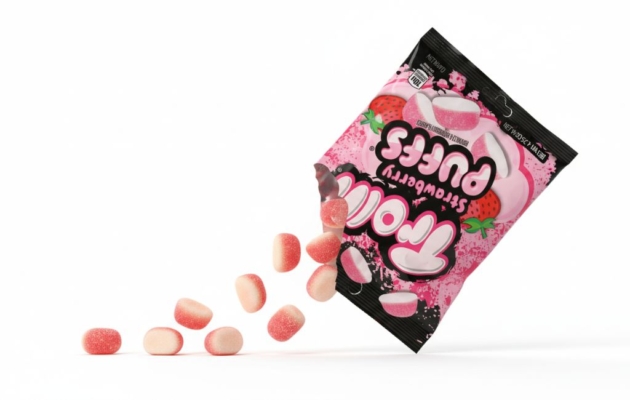
Edibles are food products that often resemble candy or baked goods. Safe storage prevents accidental use by children or pets and reduces unintended consumption.
7. Know When to Seek Help
If a loved one is struggling with marijuana abuse or addiction, early support matters. Addiction treatment programs and substance abuse treatment options can help individuals start their recovery journey and address problematic marijuana use.
Where to Find Good Quality Edibles
Finding high quality edibles helps reduce risks associated with inconsistent THC content and unregulated cannabis products. Reliable sources focus on safety, accurate labeling, and responsible production.
- Licensed dispensaries: State regulated sellers offer cannabis edibles with verified THC content, clear dosage information, and proper testing standards
- Medical marijuana providers: Medical programs often supply edible products designed for controlled dosing and consistent effects
- Reputable cannabis brands: Established manufacturers follow quality controls and clearly label THC and CBD concentrations
- Lab tested products: Independent testing confirms that edibles contain THC at stated levels and are free from harmful contaminants
- Clearly labeled packaging: Proper labels help track the amount of THC consumed and reduce the risk of consuming marijuana unintentionally
Final Thoughts
Edibles require care, patience, and informed choices due to their delayed and long-lasting effects. Responsible use lowers risks, while awareness helps prevent marijuana abuse or addiction.
For those facing concerns beyond casual use, learn professional addiction treatment programs to get reliable guidance and support tailored to long term wellness.
Frequently Asked Questions
Can edibles cause addiction faster than smoking marijuana?
Edibles can increase the risk of addiction because they often deliver higher THC doses and last longer than smoking marijuana. The delayed effects may lead to consuming more than intended, which can reinforce repeated use and increase the potential for addiction.
Are THC gummies addictive if used occasionally?
Occasional use of THC gummies is less likely to lead to addiction, but higher THC content and frequent use raise the risk. People with a history of substance abuse may be more vulnerable even with intermittent use.
Do CBD edibles carry the same addiction risk as THC edibles?
CBD edibles do not produce psychoactive effects and are not considered addictive. However, products that combine THC and CBD still carry addiction risks depending on the amount of THC present.
How long do edibles stay in the body?
THC from edibles can remain in the body for several days or longer. Detection time depends on frequency of use, THC concentrations, metabolism, and the amount of THC consumed.
Can consuming edibles daily lead to marijuana abuse?
Daily use can increase tolerance and psychological dependence, making marijuana abuse or addiction more likely. Over time, this pattern may interfere with daily responsibilities and overall well being.
What should be done if someone consumes too many edibles?
Resting in a calm environment, staying hydrated, and avoiding additional substances can help reduce symptoms. Medical care should be sought if severe anxiety, chest pain, or confusion persists.
Are homemade edibles more dangerous than store bought products?
Homemade edibles often pose higher risks because THC content is difficult to measure accurately. This inconsistency increases the likelihood of consuming too much and experiencing unwanted effects.